




Sosa Ingredients - Technical sugars
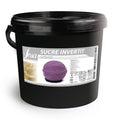
Sosa Inverted Sugar - Professional 7 kg Format
Liquid inverted sugar syrup from France for ice cream making, ganaches, pastries, and professional confectionery
The Sosa Inverted Sugar 7 kg is a liquid inverted sugar syrup of French origin, an essential technical ingredient for professionals in ice cream making, chocolate, pastry, and bakery. Obtained by hydrolysis of sucrose into fructose and glucose, this syrup offers functional properties that classic white sugar cannot reproduce.
Its 4 major technical advantages: humectancy (moisture retention), anti-freeze (lowers freezing point), higher sweetening power (125% of sucrose), and crystallization inhibition. With a dosage of 10 to 15% as a sucrose substitute, you radically transform the texture and stability of your preparations.
Also known as trimoline in professional French terminology, inverted sugar has been used for decades by ice cream makers and chocolatiers to ensure optimal texture and extended preservation. The 7 kg Sosa format is calibrated for laboratories with regular production.
Calculate the exact amount of inverted sugar to use according to your application and recipe.
Tip 1: gradual substitution to discover the product
If you are new to invert sugar, don’t jump straight to 15% substitution. Start at 5% in a test recipe to get used to its effect on texture, then gradually increase. Beyond 15%, its hygroscopic effect can make the preparation sticky in the mouth, especially in dry biscuits.
Tip 2: adjust the water-sugar ratio in your sorbets
Since invert sugar is a syrup, it contains about 25% water. If you replace 15% of sucrose with 15% invert sugar, you also add water to your recipe. Slightly reduce the initial water in the recipe by about 3 to 4% to maintain the balance of total dry matter (TDM).
Tip 3: store at a stable room temperature
Invert sugar stored between 15 and 25°C remains fluid and usable with a spoon or pitcher. Below 12°C, it may thicken and require gentle warming in a water bath at 30°C before use. Never boil it as this can alter its functional properties. Store in the original closed packaging, away from light.
Nutritional values per 100 g:
Allergens: no major allergens in the product. May contain traces of tree nuts, milk, soy, sulfites, egg, mustard, celery, sesame, peanuts.
What exactly is invert sugar?
Invert sugar is obtained by hydrolyzing sucrose (regular table sugar) into its two basic components: fructose and glucose. This molecular breakdown gives it functional properties different from sucrose: higher sweetness, antifreeze effect, moisture retention, and inhibition of crystallization.
What is the difference between invert sugar and trimoline?
No chemical difference. Trimoline is the historic brand of inverted sugar best known in France, which has become by habit the generic name used by professionals. Sosa inverted sugar offers the same composition (fructose and glucose) with a hydrolysis quality adapted to the requirements of modern professional pastry.
What quantity for my recipes?
The standard dosage is 10 to 15% as a substitute for sucrose. For an ice cream requiring 200 g of sucrose, you would replace 30 g of sucrose with 30 g of inverted sugar (15%). The calculator at the top of the page gives you the exact dosage according to your application and the amount of sucrose in your base recipe.
Can it be used in all pastries?
Inverted sugar is particularly effective in moist preparations (ice creams, ganaches, viennoiseries, brioches). Avoid or use very sparingly in dry biscuits (shortbread, shortbread cookies, cat’s tongues) where the moisture-retaining effect would soften the desired final texture.
How long does inverted sugar keep after opening?
Once opened, inverted sugar retains its properties until the best before date (24 months after production) provided storage conditions are respected: between 15 and 25°C, in a dry place (humidity below 60%), protected from light, in the original packaging tightly closed.
Is inverted sugar vegan?
Yes, Sosa inverted sugar is certified vegan and vegetarian. The hydrolysis of sucrose is done enzymatically or acidly without using any animal-derived ingredients. Compatible with all vegan pastries and corresponding certifications.
Does inverted sugar also replace honey in a recipe?
Yes, partially, in terms of technical properties (moisture retention, fermentation acceleration, shine). Honey also brings a characteristic aromatic taste that inverted sugar does not have. To keep the honey aroma while gaining technical performance, you can combine the two: 50% honey + 50% inverted sugar in the substitution portion.
Complete your professional ice cream making technical sugars and ingredients station: