




| Feature | Value |
|---|---|
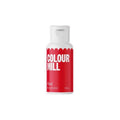
| Brand | Rainbow Dust (United Kingdom) |
| Reference | Pro Powder Chocolate |
| Product type | Concentrated powdered food coloring |
| Color | Deep chocolate (Chocolate) |
| Content | 5 g (resealable pot) |
| Composition | Colorants E122 (Azorubine), E102 (Tartrazine), E132 (Indigotine), E153 (Vegetable charcoal) |
| Solubility | Soluble in lemon extract or food-grade alcohol |
| Application method | Dry dusting OR liquid painting after dilution |
| Compatible surfaces | Fondant, royal icing, buttercream, meringue, tempered chocolate, cookies |
| Food profile | 100% edible, no taste alteration |
| Origin | United Kingdom |
Key application of Chocolate: transforming tempered white chocolate into dark milk or authentic dark chocolate for making decorative plaques, chocolate-style macaron shells, molded candies, or signature decorations. The powder blends directly into melted chocolate without graininess or tempering issues.
Dry brush application to shade and add relief to fondant figurines: teddy bears, Easter rabbits, farm animals, brown characters. The chocolate finish allows realistic fur effects by layering strokes with varying intensities.
Direct incorporation into buttercreams (Italian, Swiss, French, American) to achieve a uniform chocolate brown. The powder adds no moisture, keeping the consistency perfectly airy and smooth. Ideal for piping on chocolate cupcakes or themed layer cakes.
Chocolate color is inseparable from children's birthday cake themes (chocolate bar patterns, miniature pastries, tablets), adult birthday cakes with coffee-chocolate-cocoa themes, or event creations around artisanal chocolate making.
Strong seasonality: decorating Easter fondant figurines (rabbits, hens, eggs), creating fondant nests with colored eggs, chocolate lettering on decorated cookies. The authentic chocolate finish marks Easter creations without having to work with fragile real chocolate.
For contemporary Christmas yule logs in fondant, modeled fir trees, reindeer figurines, textured relief trunks. The deep chocolate brown brings the expected visual warmth to winter creations and complements the traditional red-gold-green Christmas palettes.
Strong trend for 2026 weddings: natural palette of chocolate-ivory-sage green with golden touches. Chocolate is used to create sugar paste woods, sculpted trunks, autumn leaves, natural raised elements on tiered cakes with enchanted forest or cottage core themes.
Two very different uses. Cocoa powder provides both flavor AND color, but its coloring power is moderate and it changes the texture of preparations by absorbing moisture. Chocolate Pro Powder is a pure colorant without flavor, providing only color without altering the preparation’s composition. For flavorful chocolate buttercream, combine both: cocoa for taste + Chocolate to intensify the color.
For dry use to create shaded effects or light dusting, one jar covers about 80 to 120 individual pieces. For diluted paint use, expect 200 to 300 pieces depending on the fineness of the designs. For incorporation into buttercream, one jar colors about 1 kg of cream to an intense chocolate brown. For coloring tempered white chocolate, one jar colors 800 g to 1 kg.
Natural chocolate color is impossible to reproduce with a single pigment: it’s a subtle combination of deep red, yellow-orange, blue-violet, and black. Rainbow Dust uses 4 pigments carefully dosed to chromatically recreate the visual complexity of authentic dark chocolate. This is what sets this product apart from a basic monochrome brown dye that would look flat or sandy.
Yes, exactly. The powder mixes directly into the melted white chocolate without graininess or causing the chocolate to seize. For an even brown, stir for 2 to 3 minutes with a spatula until the particles are fully dispersed. The color remains stable during tempering and after crystallization. Ideal for making milk chocolate-style candies without having to temper real milk chocolate.
Rainbow Dust specifically recommends lemon extract for the Chocolate, as the slight warm citrus note harmoniously complements the chocolate shade without clashing with the aromas of sweet preparations. Vodka remains a valid option, completely neutral in taste after evaporation. Choose according to the aromatic profile desired for your creation.
Pour the diluent gradually (drop by drop at first), mix thoroughly with a toothpick, and crush any lumps against the side of the dish. The ideal consistency is creamy like slightly thick India ink. Too rapid dilution always creates lumps that would mark the surface unevenly.
The composition contains colorants E122 and E102, which require a mandatory warning about their possible effects on activity and attention in children. For orders specifically intended for young children or schools, these warnings should be communicated to the ordering client, and massive use should be avoided (prefer surface decoration rather than full coloring).
Yes, for low-temperature baking (meringues 90-100°C), it maintains excellent chromatic stability. For high-temperature baking (biscuits baked at 180°C), the color may slightly fade. Recommendation: for decorated biscuits, incorporate the Chocolate into the royal icing after baking rather than into the biscuit dough itself.
No, the formulation is calibrated to remain a true deep chocolate brown after drying and crystallization. This is one of the major issues with low-quality brown colorants that turn gray (excess black) or orange (excess yellow). The balanced combination of the 4 Rainbow Dust pigments guarantees long-lasting chromatic stability.
Absolutely, the jar format and long shelf life are perfectly suited for the CAP kit. The powder is accepted by examination juries. Particularly useful for tests requiring chromatic work on entremets, royal icing, optional cake design decoration, or coloring sugar paste for figurines.