





| Characteristic | Value |
|---|---|
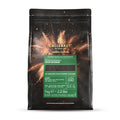
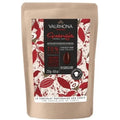
| Brand | Callebaut (Belgium) |
| Reference | Noir Intense Lean Cocoa |
| Type | Alkalized low-fat cocoa powder |
| Packaging | Sealed 1 kg bag |
| Cocoa butter content | 10 to 12% (low-fat cocoa) |
| Color | Dark charcoal black |
| Flavor profile | Pronounced bitterness, robust chocolate notes |
| Ingredients | Cocoa powder, acidity regulators (E524, E501i) |
| Allergens | Possible presence of milk, gluten, nuts, soy (depending on manufacturing site) |
| Certifications | Halal and Kosher |
| Diet compatibility | Vegetarian and vegan |
| Storage | 12 to 20 °C, dry, protected from light and odors |
| Best before date | Indicated on the packaging, generally 18 to 24 months |
Not all cocoa powders are the same. Here is how to position this Callebaut Noir Intense Lean compared to other references on the professional market.
| Type of cocoa | Color | Taste | Preferred use |
|---|---|---|---|
| Noir Intense Lean (this sheet) | Dark charcoal black | Strong bitter, robust notes | Black sandwich cookies, contrasting cakes, dark signature frostings |
| Natural non-alkalized cocoa | Light brown to medium brown | Tangy, fruity | Traditional recipes, classic brownies, hot chocolates |
| Classic alkalized cocoa | Dark brown to reddish brown | Mild, balanced | Versatile pastry, mousses, ganaches, soft cakes |
| "Red" or "red dutch" cocoa | Reddish brown | Toasted notes | Authentic red velvet, coppery frostings |
| Standard low-fat cocoa 10-12% | Medium brown | Neutral to balanced | Low-fat preparations, ice creams, sorbets |
Noir Intense Lean is the absolute reference for all creations where charcoal black color is a selling point: premium sandwich cookies, Halloween layer cakes, themed event creations, contemporary "black wedding" weddings, signature gourmet desserts.
The main use of this cocoa: reproduce the iconic color of industrial black sandwich cookies with cream filling. Use 50 to 80 g of cocoa for 250 g of flour depending on the desired intensity of black. Striking visual result that increases the average customer basket.
Ultra-dark chocolate sponge cakes for event layer cakes (black and gold weddings, Halloween birthdays, themed parties). Replace 20 to 30% of the flour with this cocoa to achieve a deep black crumb that does not fade during baking. Guaranteed "wow" effect when cutting in front of customers.
Mirror glazes and rock glazes in deep black versions, used on contemporary entremets and high-end yule logs. Alkalized cocoa provides color without needing black colorants E153 or E172, reassuring your customers about the dessert’s natural composition.
Dark chocolate mousses with strong visual contrast for verrines, dome entremets, semifreddo. Ideal for clear glass presentations where the dessert’s color depth becomes a direct visual appeal. Winning combinations: intense black + raspberry, black + bourbon vanilla, black + salted caramel.
Surface dusting for a black velvet effect on entremets, decorations mimicking ash, coal, or volcanic rock. Allows spectacular contrasts with white decorations (fondant, meringue, whipped cream) or gold (gold leaf, metallic luster).
Black choux and éclairs for contemporary signatures. Black craquelin on choux or Paris-Brest creates a strong graphic contrast with light cream or ganache fillings. A strong trend in high-end pastry since 2023.
Natural cocoa has undergone no treatment after fermentation and roasting. It has an acidic pH (5 to 5.5), a light brown color, and a fruity acidic taste. Alkalized cocoa has been treated with an alkaline solution (potassium or sodium carbonate) that neutralizes its acidity, darkens its color, and softens its taste. Noir Intense Lean is an alkalized cocoa pushed to the extreme to achieve a coal-black color.
With standard use at 30-40 g of cocoa per 250 g flour recipe, expect about 25 to 33 layer cakes or genoise cakes. With intense use at 80 g per recipe, about 12 to 15 creations. A 1 kg bag typically allows 2 to 4 weeks of production in a pastry lab.
Several possible reasons: dosage too low (increase to 60-80 g for 250 g of flour), dough pH too acidic (reduce baking soda, increase baking powder), cooking time too long (cocoa can dry out and brown), or presence of other ingredients that lighten the color (large amounts of eggs, light butter, sugar). Test with a gradual dosage to find your balance.
No, never for recipes where color is essential. A classic non-alkalized cocoa will give a medium brown, never a deep black. However, you can replace a classic alkalized cocoa with this Noir Intense Lean in the same proportions; you will just get a more pronounced black.
No, this is one of the great advantages of alkalized cocoa: it keeps its color stable during baking (up to 200 °C). Conversely, natural cocoa can darken during baking by caramelization but will never give the characteristic deep black of strong alkalization.
Indicative best before date 18 to 24 months from manufacture, in its original sealed bag. Once opened, consume within 6 to 12 months while respecting storage conditions (12-20 °C, dry, away from light). Reseal tightly after each use to preserve aroma and prevent moisture absorption.
Vegan: yes, this product contains no animal ingredients and is suitable for vegan diets. Organic: no, this product is not certified organic. For an organic certified version, see our dedicated organic cocoa range.
Bourbon vanilla, raspberry, red fruits in general, salted butter caramel, orange blossom, roasted coffee, hazelnut, almond, Guérande salt, Espelette pepper for a gastronomic signature. Avoid pairings with overly acidic fruits (kiwi, fresh raw pineapple) that oppose the natural bitter character of cocoa.
No, these are acidity regulators completely safe for health. E524 is sodium hydroxide and E501i is potassium carbonate, used in very small amounts for the alkalization process. They are authorized in all European Union countries and most countries worldwide.
Callebaut is the world’s number one professional B2B chocolate brand, with recognized expertise since 1911. Their alkalization process is mastered to guarantee consistent color and taste from batch to batch, which is essential in professional production. Regular supply guaranteed by Patissland from the official distributor in France.