

In a few words
Detailed information
Why choose the Beadrift Rolling Pin
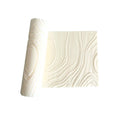
- Exclusive Beadrift pattern: the combination of organic waves and beaded lines creates a signature look that immediately stands out from classic patterns (chevrons, diamonds, repeated flowers). It’s a commercial asset to differentiate your shop on high-end event orders.
- Production time saver: a single pass is enough to transform a plain dough strip into a worked decorative surface. Compared to manually applied decorations (individual pearls, piping highlights), you save 30 to 60 minutes per complex creation.
- 2026 design trend: organic and fluid patterns have dominated contemporary cake design since 2024. The Beadrift fully embraces this sand-dune or wave-pattern aesthetic sought after by wedding and event clients.
- Multi-support versatility: compatible with the 5 main cake design mediums. You can use it for covering tiered cakes in fondant, but also for decorated shortcrust biscuits or plastic chocolate sheets for entremets.
- Balanced 23 cm size: neither too short (which would require multiple passes) nor too long (which would cause uneven pressure). 23 cm is the optimal size to cover most fondant strips without fatigue.
- Instant depth effect: the depth of the engraved pattern on the roller impresses a sharp and precise relief on the dough. The result remains defined after drying, unlike some patterns that are too shallow and fade.
- Signature shop tool: owning an original textured roller allows you to create a strong visual signature on your creations. Customers recognize your work thanks to reproducible finishing details.
Detailed technical specifications
| Feature | Value |
|---|---|
| Product type | Textured rolling pin |
| Model | Beadrift (waves and pearls) |
| Length | 23 cm |
| Engraved pattern | Organic waves with pearled details |
| Compatibility | Fondant, marzipan, shortcrust dough, cookie dough, modeling chocolate |
| Use | Printing decorative patterns on rolled dough |
| Instructions | Single pass with steady pressure |
| Care | Warm water + soft brush or damp cloth |
| Storage | Horizontal, dry, dust-free |
Step-by-step instructions
- Dough preparation: roll out your fondant, marzipan, or shortcrust dough to the desired thickness on a work surface lightly dusted with powdered sugar or cornstarch. For a sharp result, aim for a minimum thickness of 4 to 5 mm (thinner may cause the pattern to pierce the dough).
- Pre-rest: let the rolled dough rest for 1 to 2 minutes to stabilize its surface. Dough that is too fresh or too soft will deform when rolling.
- Flouring the roller: lightly dust the Beadrift roller with powdered sugar, cornstarch, or potato starch depending on the surface. This prevents the dough from sticking in the engraved patterns. Tap off the excess.
- Positioning: place the roller at one end of the dough strip. Hold it with both hands to ensure even pressure along the entire length.
- Single pass with steady pressure: roll the Beadrift over the dough in one continuous motion, applying moderate and consistent pressure. Avoid backward movements that would shift the pattern and create duplicates.
- Print check: gently lift the roller, check the sharpness of the print. If the pattern is too light, roll again exactly overlapping the previous position. If the pattern is too deep, reduce the pressure on the next pass.
- Cutting or application: cut the textured dough to the desired size (decorative strip, panel, cake covering) then apply it to your base, gently smoothing edges to avoid crushing the pattern.
- Drying and finishing: let dry 30 minutes to 1 hour to set the relief before final handling or optional painting with edible markers or metallic powders to highlight certain areas.
Professional applications: 6 use cases
1. Wedding tiered cake covering
Key Beadrift application: creating textured sugar paste tiers for 2 to 5-level wedding cakes. The waves and beads pattern evokes fluidity, the sea, or dunes—perfect for seaside, travel, or contemporary romance themed weddings. Immediate refinement effect without laborious manual work.
2. Decorative bands and borders
Making decorative sugar paste bands to apply as belts on cake tiers or as top finishing. The waves + beads effect pairs especially well with sugar paste flowers, gold ribbons, or hand-modeled floral patterns.
3. Decorated biscuits and boutique shortbread
Instant texture on cut shortbread (rounds, rectangles, themed shapes). Beadrift biscuits sell in shops at a premium thanks to their artisanal look. Ideal for gift boxes, wedding boxes, corporate event goodies.
4. Modeling chocolate panels for entremets
Application on tempered modeling chocolate to create sculpted decorative panels. Once the chocolate cools, the panels are used to decorate modern cakes, as borders for entremets, or as signature elements on contemporary Yule logs.
5. Marzipan for tiered cakes
The Beadrift works especially well on marzipan, which remarkably retains the pattern after drying. Excellent for revisited traditional tiered cakes, decorated artisanal nougats, signature calissons.
6. CAP Pastry and cake design training
Ideal educational tool for CAP Pastry candidates specializing in cake design or pastry school training. Allows quick professional results on presentation tests without requiring years of manual modeling experience.
Patissland usage tips
- Minimum dough thickness 4 mm: below this, the beaded pattern may pierce or tear the dough. For a clean and stable result, aim for 4 to 6 mm thickness of rolled dough.
- Even two-handed pressure: hold the roller at both ends, applying the same pressure along the entire length. Uneven pressure creates unbalanced patterns (deeper on one side than the other).
- Only one clean pass: never roll again over an already printed area if the roller has shifted, the pattern would double. If the finish is insufficient, redo by exactly overlapping the initial position or start again with fresh dough.
- Test on a scrap before production: for high-stakes event orders, first test on a dough scrap to validate pressure and finish on your exact base (fondant from different brands may react differently).
- Flouring adapted to the base: powdered sugar for light fondant, cornstarch for white fondant, potato starch for modeling chocolate. Avoid wheat flour which would mark the patterns with opaque white.
- Ideal tempered dough: fondant works best at 20-22°C. Too cold, it cracks when rolled. Too warm, it sticks in the patterns and distorts the finish. Take the dough out of the fridge 30 minutes before use.
- Combination with metallic colorants: the Beadrift pattern is enhanced with dry brushing of metallic powders (gold, silver, rose gold) on the raised areas only, while the recesses remain in the base color. Instant jewelry effect.
- Horizontal storage is essential: store the roller flat in a dry drawer, never upright (weight would deform the support end). Avoid contact with other metal utensils that could mark the surface.
Professional FAQ
What is the minimum dough thickness?
Minimum 4 mm for fondant, 5 mm for marzipan and shortcrust pastry, 3 mm for tempered modeling chocolate. Below that, the pattern relief may pierce the dough or weaken it to the point of tearing during final handling.
Is the roller dishwasher safe?
No, hand wash only. Dishwasher cycles expose the roller to temperatures and products that can damage the precision of the pattern engravings over time. Prefer lukewarm soapy water + soft brush + immediate drying with a clean cloth.
How many pieces with a single roller?
The roller is designed for intensive professional use and can be used for several hundred productions without pattern degradation if well maintained. Investment pays off from the first dozen cakes worked on.
How to prevent fondant from sticking in the patterns?
Three key precautions: 1) Light dusting of the roller before each pass with powdered sugar or cornstarch, 2) Fondant sufficiently crystallized (let rest 1-2 minutes after rolling out), 3) Work at 20-22°C, never with fondant taken directly from the fridge. If the pattern still sticks, add a pinch more cornstarch and retest.
Compatible with which fondant brands?
All professional brands: Renshaw, Funcakes, Massa Ticino, Saracino, Modecor, Patisdécor. Each brand has a slightly different consistency; it is recommended to test on a scrap before the first production with a new fondant to adjust the application pressure.
How to maintain the roller over time?
Immediate cleaning after each use with warm soapy water, soft brush for the pattern's recesses, careful drying with a soft cloth. Store flat horizontally in a dry drawer away from dust. With these precautions, the roller maintains its precision over several years of professional use.
Does the pattern change when drying?
No, the relief remains sharp after the fondant dries. On the contrary, the final crystallization permanently fixes the pattern and makes it particularly resistant to handling. This is what distinguishes a roller-engraved pattern from an applied decoration that can detach.
Can multiple textured rollers be combined?
Yes, it is even recommended for multi-texture creations. On a 4-tier cake, you can use the Beadrift on 2 tiers and another roller (chevrons, vertical lines, floral patterns) on the other 2 to create a sophisticated visual contrast.
Is the effect visible in professional photos?
Yes, the Beadrift's beaded relief catches light particularly well, making it very photogenic. It's a valuable asset for shops active on Instagram or Pinterest where visual appeal is crucial to generate orders.
Is it suitable for CAP Pastry candidates?
Yes, the textured roller is allowed in the CAP kit. It allows candidates to quickly achieve a professional finish on presentation tests without requiring extensive manual modeling experience. A smart investment for exam preparation.
To go further
- Order Preparation: 0 to 2 working days
- France, Belgium, Germany: 1 to 2 working days
- Europe: 2 to 5 working days
- Click & Collect Osny: 24-48h
- FR, BE, DE: based on weight
- Europe: based on country and weight
- Click & Collect Osny: Free