

Candy Melts & Chocolats à Pâtisser - Patissland

Candy Melts & Baking Chocolates

Discover our wide selection of baking chocolates and candy melts to succeed in all your chocolate creations: Valrhona Jivara, Ivoire, Guanaja, Manjari and Macaé couverture chocolates, Callebaut beans, dark, milk and white chocolate discs, chocolate chips, colored candy melts, colored cocoa butter, modeling chocolate, sticks and squares. Reference brands of top pastry chefs: Valrhona, Callebaut, Lauena, Cacao Barry. All cocoa percentages (35%, 40%, 55%, 56%, 70%, 80%) to suit all your recipes: ganaches, mousses, glazes, molded candies, signature bars, drip cakes and artisanal chocolatier creations.

Valrhona chocolatesThe haute couture pastry reference
Callebaut chocolatesGlobal professional standard
Discs & chipsPractical format for chocolatiers
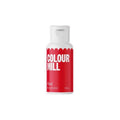
Candy MeltsColored glazes for cake design
Cocoa buttersColored for professional decoration
Modeling chocolateArtistic piece sculpting
Our Valrhona chocolate range: the pro reference
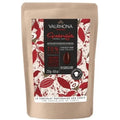
Valrhona dark chocolate Guanaja, Macaé, Manjari

The Valrhona dark chocolates are the absolute reference in haute couture pastry. Our range:

Application: exceptional ganaches, signature molded candies, mirror glazes, airy chocolate mousses, flowing chocolate fondants.

Valrhona Jivara milk chocolate

The Jivara 40% is one of the most used milk chocolates in professional pastry:

  • Jivara 40% milk chocolate beans 250g: see our Jivara 40% milk chocolate beans 250g
  • Aromatic profile: notes of cooked caramel and vanilla, Valrhona signature
  • Application: milk ganaches for macarons, light mousses, filled candies, signature bars
  • Winning combination: Jivara + Valrhona cocoa nibs for a contrasting texture effect

Also see our Valrhona cocoa nibs 1kg to add crunch and bitterness to Jivara ganaches.

Valrhona Ivory white chocolate

The Ivory 35% white chocolate is the reference for high-end white pastries:

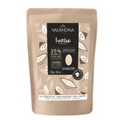
  • Ivoire white pastry chocolate beans 35% 250g: see our Ivoire white chocolate 35% 250g beans
  • Aromatic profile: milky and vanilla notes, balanced sweetness without excess sugar
  • Application: white entremets, vanilla whipped ganaches, colored glazes (Ivory white takes liposoluble food colorings well)
  • Easy tempering: the 35% is more tolerant to temperature variations than the 28%

For signature recipes, see our three chocolate cake which uses the 3 Valrhona levels in layered mousses.

Our range of Callebaut chocolates and other brands
Callebaut Callets chocolates

Callebaut chocolates are the global professional reference for bakeries, pastry shops, and chocolatiers:

  • Callebaut Callets white chocolate 28% 1kg: see our Callebaut white chocolate 28% 1kg beans, practical format for regular production
  • Callets shape: uniform discs calibrated for fast and precise melting
  • Belgian brand: over 100 years of chocolate tradition, globally recognized quality
  • Application: ganaches, glazes, homemade candy melts, filled viennoiseries, chocolate fountains
  • Compatibility: mixes perfectly with colored cocoa butters for tinted glazes
Dark, milk, and white chocolate pistoles

Pistoles are professional-format couverture chocolate discs for pastry shops:

Chocolate chips for cookies and pastries

Chocolate chips are essential for cookies, brownies, muffins, and pastries:

Our range of candy melts and modeling chocolate
Wilton colored Candy Melts

Candy Melts are colored chocolate discs specific to modern cake design. See our complete Candy Melts collection and our Candy Melts and icings collection. Features:

  • More than 20 colors available: pastel, bright, metallic, neon
  • Easy microwave melting: maximum 30 seconds, stir regularly
  • Firm final texture: sets quickly in 5-10 minutes at room temperature
  • Slightly vanilla neutral taste: compatible with all desserts
  • Use: colored drip cakes, cake pops, chocolate molds, piping designs, lollipops, coated cookies

For drip cakes, pair with our 150g gold choco drip and our themed sprinkles for maximum effect.

Plastic chocolate for modeling

The modeling plastic chocolate is a sculptable chocolate paste, an alternative to fondant for high-end cake design:

  • 1kg modeling plastic chocolate: see our 1kg modeling plastic chocolate
  • Authentic chocolate taste: better than fondant for chocolate lovers
  • Sculptable texture: moldable like fondant, hardens when cooled
  • Use: chocolate figurines, sculpted flowers, decorative borders, thin wedding cake coverings
  • Work: soften in hands, shape, let harden in a cool place

For white figurines, also see our white modeling paste and our white gum paste.

Colored cocoa butters for decoration

The colored cocoa butters are the absolute reference for decorating chocolates and fine candies:

Also see our Azucren cocoa butter pistoles for tempering and fluidifying chocolate.

Cocoa powder and cocoa nibs

The cocoa powders and cocoa nibs complete the range:

  • Cocoa powder 3kg: see our cocoa powder 3kg, professional size for shops
  • Valrhona cocoa nibs 1kg: see our Valrhona cocoa nibs 1kg, roasted bean pieces for texture
  • Powder application: chocolate genoises, ganaches, cocoa ladyfingers, operas, dusting
  • Grué application: crunch in whipped ganaches, tablet finishing, entremet decoration
How to master chocolate in pastry
Chocolate tempering: fundamental technique

Tempering is the technique that gives chocolate its shine, snap, and stability. Method for 70% dark chocolate:

  • Step 1 - Melting: melt the chocolate in a bain-marie at 50-55°C
  • Step 2 - Cooling: quickly lower to 28-29°C while stirring (adding solid chocolate or marble)
  • Step 3 - Reheating: raise to 31-32°C for use temperature
  • Step 4 - Test: place a streak on paper, should crystallize in 3-4 minutes with shine
  • Step 5 - Working: maintain at 31-32°C for molding, coating, glazing

Different temperatures depending on the type:

  • Dark chocolate: melting 50-55°C, crystallization 28-29°C, working 31-32°C
  • Milk chocolate: melting 45-50°C, crystallization 27-28°C, working 29-30°C
  • White chocolate: melting 40-45°C, crystallization 26-27°C, working 28-29°C

Essential tool: see our digital sugar and chocolate thermometer -50°C to 300°C.

How to make a perfect ganache

The ganache is the base of high-end chocolate making. Professional recipe:

  • Chocolate/cream ratio: 1:1 for tartlet ganache, 2:1 for piping ganache (firmer), 1:2 for creamy ganache to drink
  • Step 1: bring the cream to a boil
  • Step 2: pour over chopped chocolate in 3 parts, stirring gently between each addition
  • Step 3: blend with an immersion blender to homogenize without incorporating air
  • Step 4: let crystallize 6-12 hours at room temperature (never in the fridge)
  • Step 5: use at 20-22°C for piping, or soften 10 seconds in microwave if too firm

For signature ganaches, flavor with our vanilla extracts, pistachio flavor or coffee extract.

Choose the right cocoa percentage
Cocoa percentage Character Ideal application
White chocolate 28-35% Sweet, milky, vanilla-flavored Vanilla ganache, colored glazes, drip cakes
Milk chocolate 32-40% Caramel, sweet Family bars, viennoiseries, ganaches for macarons
Milk chocolate 41-50% Intense milk, low sugar Adult ganaches, filled chocolates
Dark chocolate 50-60% Balanced, bittersweet Family pastries, basic glazes
Dark chocolate 60-70% Intense, fruity Professional ganaches, mousses, fondants
Dark chocolate 70-80% Very intense, bitter Signature pastries, intense ganaches
Dark chocolate 80-100% Very bitter, low sugar Special pastries, diets, gastronomy
Chocolate storage

To preserve the quality of your chocolates:

  • Temperature: ideal 15-18°C, tolerable 10-22°C, NEVER above 25°C
  • Humidity: ideal 50-60%, NEVER refrigerate (humidity causes blooming)
  • Airtight: closed containers, protected from odors (chocolate absorbs everything)
  • Light: keep away from direct UV
  • Shelf life: 12-18 months for dark chocolate, 8-12 months for milk chocolate, 6-8 months for white chocolate
  • Blooming: if white deposits appear, the chocolate is still edible but has lost its shine
Common mistakes to avoid

The 7 most common mistakes with chocolate:

  • Overcooking in a double boiler: burnt, grainy chocolate, irrecoverable. Always monitor the temperature
  • Adding water to melted chocolate: instant "seizing", chocolate clumps and hardens
  • Mixing aqueous flavors into melted chocolate: same effect, instant "seizing". Use only fat-soluble flavors
  • Refrigerate after tempering: thermal shock, chocolate whitening
  • Do not temper for molded candies: impossible unmolding, chocolate sticks to molds
  • Storing near the oven: gradual melting, flavor degradation
  • Buying low-quality cooking chocolate: low cocoa butter %, poor performance in technical pastry
Signature recipes with our chocolates
Revisited Black Forest

The Black Forest cake is one of the most iconic chocolate pastry recipes. See our complete Black Forest recipe. Chocolate ingredients:

  • Cocoa sponge cake: with 3kg cocoa powder for intensity
  • Dark chocolate mousse 70%: with Guanaja Valrhona 70% beans
  • Cherry insert: with NH pectin
  • Dark chocolate mirror glaze: see our ready-to-use glaze
  • Decoration: dark chocolate shavings, candied cherries, gold leaf
Three chocolates: the signature technical pastry

The three chocolate cake is the ultimate technical exercise for beginner or experienced pastry chefs. See our three chocolate cake recipe:

  • Layer 1: dark chocolate mousse 70% (Guanaja)
  • Layer 2: milk chocolate mousse 40% (Jivara)
  • Layer 3: white chocolate mousse 35% (Ivoire)
  • Base: cocoa biscuit
  • Decoration: whipped ganache + Valrhona cocoa nibs for crunch

This dessert sells for €35 to €45 for 8 servings in shops and remains one of consumers' favorite classics.

Signature molded candies

The molded chocolate candies are the absolute signature of artisan chocolatiers:

  • Step 1 - Decoration: spray colored cocoa butter on molds in 2-3 layers
  • Step 2 - Shell: pour tempered chocolate, invert to drain excess
  • Step 3 - Crystallize: 10 minutes in the fridge
  • Step 4 - Filling: ganache, praline, almond paste, caramel
  • Step 5 - Closing: pour a thin layer of tempered chocolate to seal
  • Step 6 - Unmolding: gently tap the mold after 30 minutes of crystallization

To decorate the chocolates, use our 8x8cm Azucren gold leaf or 100g edible gold pearls.

Signature bars with dried fruits

The signature bars help differentiate your shop and increase margin:

  • Dark chocolate bar 70% + cocoa nibs: Guanaja + Valrhona nibs
  • Milk chocolate + Piedmont hazelnuts bar: Jivara + Piedmont IGP hazelnuts
  • White chocolate + pistachio bar: Ivoire + pistachio powder + gold leaf
  • Mendiant bar: dark chocolate + almonds + pistachios + cranberries
  • Assorted bar: 4 varieties in a slab to gift, 3x margin in premium presentation
Chocolate chip cookies

The great American classic that never goes out of style. See our cookie recipe and our giant cookie XXL recipe:

  • Classic cookies: 200g of 32% milk chocolate chips for 12 cookies
  • Three chocolate cookies: milk + dark + white chips in equal proportions
  • Giant cookie: XXL version for sharing in shops, sold by slices
  • Outrageous cookies: see our outrageous cookies recipe with large chocolate chunks
Who these products are for
Professional pastry chefs and shops

For shop pastry chefs, couverture chocolate is the base of the premium offer:

  • Signature chocolate entremets with Valrhona for professional differentiation
  • Chocolate croissants with Valrhona 55% sticks for premium viennoiseries
  • Mirror chocolate glazes with quality couvertures
  • Macarons with chocolate ganaches differentiated by origin
  • Professional 5kg-6kg format for shops with large volumes
Artisanal chocolatiers

For chocolatiers, couverture chocolates are the ultimate ingredient:

  • Molded candies with colored Pavoni cocoa butters
  • Signature bars with premium origins (Guanaja, Manjari, Macaé)
  • Artisanal pralines with Jivara and Ivoire
  • Traditional mendiants with 70%+ dark chocolate
  • Chocolate couverture truffles
Cake designers and events

For cake designers, candy melts and plastic chocolate are creative tools:

  • Colored drip cakes with Candy Melts for birthdays
  • Wedding cakes decorated with moldable plastic chocolate
  • Cake pops dipped in candy melts in large quantities
  • Artistic decorations with colored cocoa butters sprayed
  • Tempered chocolate bars for modern decoration
Passionate individuals

For advanced home baking enthusiasts, quality chocolate makes all the difference:

  • Discover tempering with a culinary thermometer
  • Homemade cookies with professional chips
  • Yule Logs with Valrhona couverture for professional finishing
  • Gourmet gifts: homemade bars with dried fruits
  • Introduction to chocolate cake design with modeling paste
Frequently asked questions
What is the difference between couverture chocolate and standard baking chocolate?

Couverture chocolate contains at least 31% cocoa butter (vs 18-25% for standard baking chocolate). This higher cocoa fat content provides:

  • More fluid melting for coating and dipping
  • Superior shine after tempering
  • A clear crunch in the mouth
  • Better preservation of aromas

For technical pastry (molded candies, glazes, signature ganaches), always prefer couverture chocolate. For home use (cookies, fondants), standard baking chocolate is sufficient.

Why does chocolate sometimes bloom?

Bloom appears in two forms:

  • Fat bloom: cocoa butter rising to the surface after temperature variation. Slightly gray/white appearance
  • Sugar bloom: sugar recrystallization on the surface in the presence of moisture. Slightly grainy appearance

In both cases, the chocolate remains perfectly edible but has lost shine and snap. Main cause: sudden temperature change (fridge to room temperature, for example). Prevention: store at a stable temperature between 15-18°C.

How to fix chocolate that has "seized"?

If your melted chocolate becomes lumpy due to contact with water or aqueous flavoring:

  • Add MORE water or liquid: paradoxically, adding a large amount of liquid can "fix" it by turning it into sauce/ganache
  • Add melted butter: 30-50g per 200g of chocolate, whisk vigorously
  • Reuse as ganache: add hot cream to turn it into usable ganache
  • If nothing works: use for chocolate fondant, brownie, or cake where the final texture doesn’t matter

Prevention: never add water or water-based flavoring to pure melted chocolate.

Which brand to choose: Valrhona or Callebaut?

Both are excellent professional brands with different positioning:

  • Valrhona (France, Tain-l'Hermitage): premium positioning, very distinctive signature flavor profiles (Guanaja, Manjari, Macaé), higher price. Reference for starred pastry chefs and artisan chocolatiers
  • Callebaut (Belgium): global professional standard, consistent quality, convenient pro formats (Callets pellets), excellent value for money. Reference for high-volume bakeries and pastry shops

For high-end shops: Valrhona as signature + Callebaut as base. For bakery-pastry: Callebaut standard is more than enough.

Can candy melts be used instead of chocolate?

Not in all recipes. Important differences:

  • Candy Melts: vegetable oil + sugar + milk + colorants. No tempering needed, easy melting, quick setting
  • Couverture chocolate: cocoa butter + sugar + cocoa. Tempering required for shine and snap

Candy Melts are suitable for: drip cakes, cake pops, simple molds, lollipops, coated cookies. For signature molded bonbons, high-quality ganaches, bars: use couverture chocolate exclusively.

Are there allergy risks?

Chocolates generally contain:

  • Milk: yes for milk and white chocolate
  • Soy: present in emulsifying lecithin (E322)
  • Gluten: most pure chocolates are gluten-free (check label)
  • Tree nuts: possible traces depending on multi-allergen manufacturing site

For strict diets (vegan, kosher, halal), specific certified references are available on request.

Which essential chocolates to start with?

To start with chocolate pastry, 3 references are enough for 80% of recipes:

  • Dark chocolate 60-70% (Valrhona Guanaja beans or Callebaut 56% pistoles): for ganaches, mousses, fondants
  • Milk chocolate 35-40% (Valrhona Jivara or Callebaut Lauena): for viennoiseries, milk ganaches, cookies
  • White chocolate 28-35% (Valrhona Ivoire or Callebaut Callets): for colored glazes, vanilla whipped ganaches

Then add according to specialties: colored Candy Melts for cake design, colored cocoa butters for chocolaterie, modeling chocolate. To go further, also see our Complete Preparation Aid collection and our gold leaf and glitter collection.

Patissland Tip: To maximize the quality of your chocolate pastries, follow the golden rule of starred chocolatiers: invest in 1 precise digital thermometer (see our digital sugar and chocolate thermometer) and 1 tempering marble slab. These 2 tools radically transform the quality of your ganaches, glazes, and bonbons. Mastering tempering takes you from "amateur pastry chef" to "recognizable professional" level with a single investment. Then, choose 3 Valrhona origins to develop your palate: Guanaja (intense), Jivara (milky caramel), Ivoire (vanilla sweetness). You will have all the basics to make any professional chocolate pastry recipe. To go further, also see our Candy Melts and glazes collection.